
 Julianna Frisk
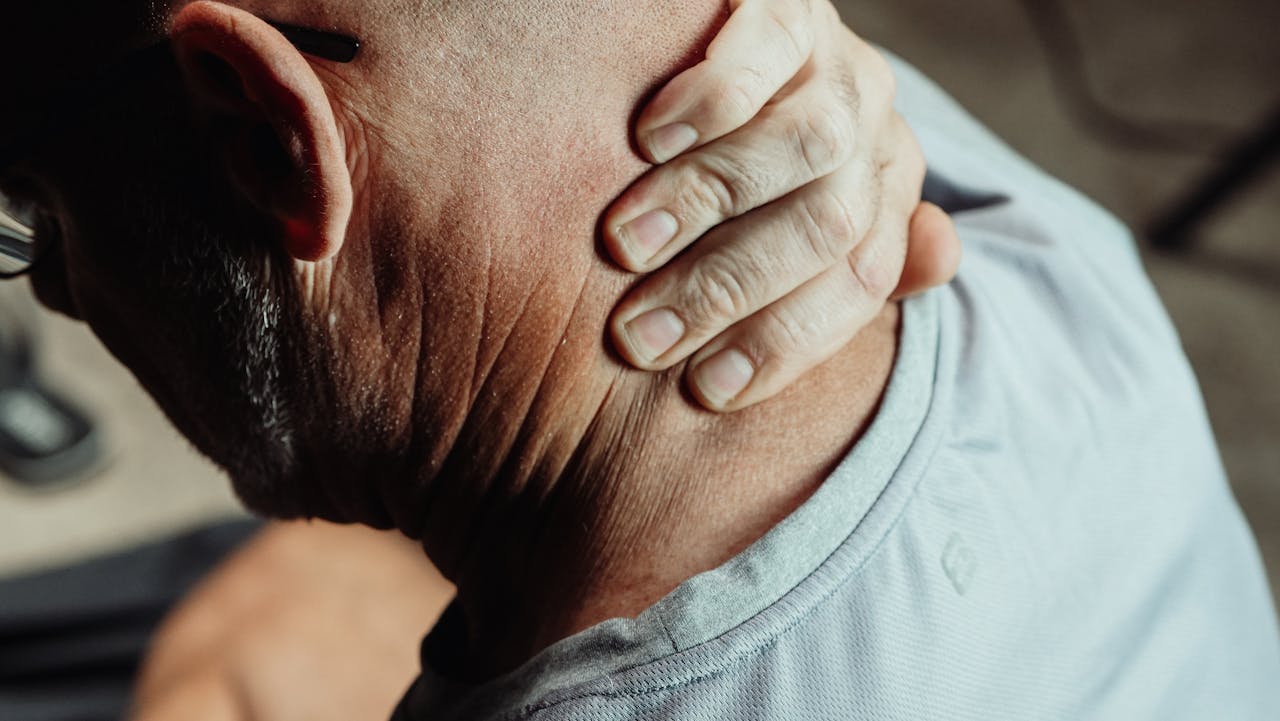
Neck pain is often explained in physical terms, posture, stress, screen time, or poor sleep. But many people notice that tension in the neck appears during emotionally demanding periods, moments of inner conflict, or times when life feels heavy or restrictive.
From a spiritual perspective, the neck represents the connection between the mind and the body. It allows movement, perspective, and choice. When discomfort builds in this area, it can signal resistance, emotional pressure, or difficulty aligning thoughts with actions.
Carrying Too Much Emotional Or Mental Weight
Spiritually, neck pain is often associated with feeling overwhelmed or burdened. The neck supports the head, so tension here can reflect the sense of carrying too much responsibility without adequate support.
This may show up during periods of financial stress, caregiving, work overload, or relationship pressure. When everything feels like it depends on you, the body often responds by tightening the muscles meant to hold you upright.
On a deeper level, this pattern can point to the need for shared responsibility and self-preservation. Learning to delegate, rest, or accept help can ease both emotional strain and physical tension.
Difficulty Standing up for Yourself
The neck is closely linked to flexibility and self-direction. When boundaries are ignored or personal needs are consistently placed last, tension may develop over time.
This can happen when saying yes out of obligation, avoiding conflict, or suppressing honest communication. Neck discomfort in this context often reflects internal tension between what you feel and what you express.
From a spiritual standpoint, this pain can highlight the importance of honoring your voice and asserting your limits without guilt.
Holding on to the Past
Neck tension can also be connected to unresolved emotional experiences. The neck allows you to look forward and backward. When movement becomes restricted, it may reflect fixation on past events, regrets, or emotional attachments that have not been fully processed.
This does not suggest forgetting what happened. Instead, it points to the need for emotional closure so the past no longer shapes present choices unconsciously.
Letting go does not erase memory. It restores freedom of movement, both physically and emotionally.
Fear Or Anxiety About the Future
Uncertainty about what lies ahead often manifests as physical tension. When the mind is constantly anticipating outcomes or bracing for what might go wrong, the neck and shoulders commonly tighten.
This pattern reflects vigilance and mental pressure rather than danger. Spiritually, it can suggest resistance to uncertainty or a strong need for control.
Releasing rigid expectations and allowing flexibility can help the body soften and regain ease.

Avoiding an Inner Truth
Neck pain is sometimes linked to resistance, especially when something important is being ignored. The neck allows turning and seeing. When it hurts, it may reflect avoidance of a realization that feels uncomfortable but necessary.
This may involve a relationship, career path, or personal pattern that no longer aligns with who you are. The body often reacts before the mind fully accepts the truth.
In this sense, discomfort can serve as a signal to pause and acknowledge what you already know.
Physical Causes Still Matter
Spiritual interpretations should never replace medical evaluation. Poor posture, muscle strain, injury, stress, and underlying health conditions are common contributors to neck pain.
Persistent, severe, or worsening pain should always be assessed by a qualified healthcare professional. Spiritual insight can coexist with physical care, not replace it.
When Neck Pain Keeps Returning
Recurring neck pain is often a sign that something is being carried repeatedly, not just once. It tends to show up when the same patterns keep repeating, overcommitment, silence when something should be said, or staying in situations that no longer feel right.
The neck reacts when there is a gap between what you think, what you feel, and what you actually do. Ignoring that gap does not make it disappear. It usually shows up as stiffness, reduced movement, or pain that comes back even after rest.
Paying attention does not mean overanalyzing every symptom. It means noticing what was happening in your life when the pain started and what thoughts or decisions you were avoiding at that time. The body often speaks when the mind refuses to pause.
Neck pain does not demand perfection or instant change. It asks for honesty, small adjustments, and the willingness to stop carrying what no longer belongs to you.


 Julianna Frisk