

 Julianna Frisk
If you struggle to fall asleep, wake up tired, or have restless dreams, your bedroom layout might be working against you. One detail feng shui pays a lot of attention to is bed placement, especially which direction your head points while sleeping.
This may sound small, but according to feng shui, the bed is the most important piece of furniture in the room. You spend hours there every night, completely unguarded. Where and how that bed sits affects how settled your body feels when it tries to rest.
Some placements support deeper sleep. Others tend to create tension, lighter sleep, or a sense of unease you can’t quite explain.
Why Bed Placement Matters in Feng Shui
Feng shui focuses on how energy moves through a space. In a bedroom, the goal is simple: allow your body to fully relax and recover.
When the bed is pushed into corners, placed directly in line with the door, or positioned in an unfavourable direction, the room often feels slightly “off.” People may sleep long hours but still wake up tired, or notice more vivid dreams and difficulty switching off mentally.
What we want is a setup that reduces strain and helps the body relax. When the bed placement feels supportive, sleep usually comes easier.
Best Directions to Sleep According to Feng Shui

Different directions are associated with different qualities. Some support rest and stability, others stimulate activity or mental movement.
Head Facing East: East supports clarity, learning, and forward movement. This direction often suits younger people, students, or anyone focused on personal development and growth.
Head Facing North: North is linked to calm and restoration. Many people dealing with light sleep or difficulty falling asleep find this direction easier on the nervous system.
Head Facing South: South carries active energy. It can increase motivation and confidence but may feel too stimulating for sensitive sleepers. It suits people who already sleep deeply and want more drive in daily life.
Head Facing West: West is often associated with comfort and material stability. Some people notice improved focus on practical matters, including work and finances, when sleeping in this direction.
Head Facing Northeast: This is the one direction feng shui tends to discourage most strongly. Northeast energy is considered unsettled during rest and is often linked to restless sleep or vivid, uncomfortable dreams.
Head Facing Northwest: Northwest is supportive for deeper rest and mental quiet. It often suits older adults or anyone who struggles to stay asleep through the night.
Head Facing Southeast: Southeast supports communication, creativity, and personal growth. Artists and creative thinkers often feel more inspired sleeping in this direction, though it may not suit everyone long-term.
Head Facing Southwest: Southwest can feel heavy during sleep. Some people notice low energy or emotional flatness when resting in this direction. If you feel consistently drained in the morning, this is worth reconsidering.
Why Beds Don’t Belong in Corners
A bed pushed into a corner is generally not recommended in feng shui. When one side of the bed is blocked by a wall, energy flow becomes uneven. One person usually feels more boxed in, both physically and mentally, which can show up as restlessness or lighter sleep.
From a practical point of view, a corner placement also limits movement around the bed. That restriction often translates into the body staying slightly alert during sleep instead of fully relaxing. A bed works best when there is space on both sides, allowing balance, airflow, and easier access.
If moving the bed away from the corner isn’t possible, keeping the space open visually and physically as much as you can helps reduce that pressure.
Practical Bedroom Adjustments That Actually Help
Beyond direction, a few practical changes often make a noticeable difference.
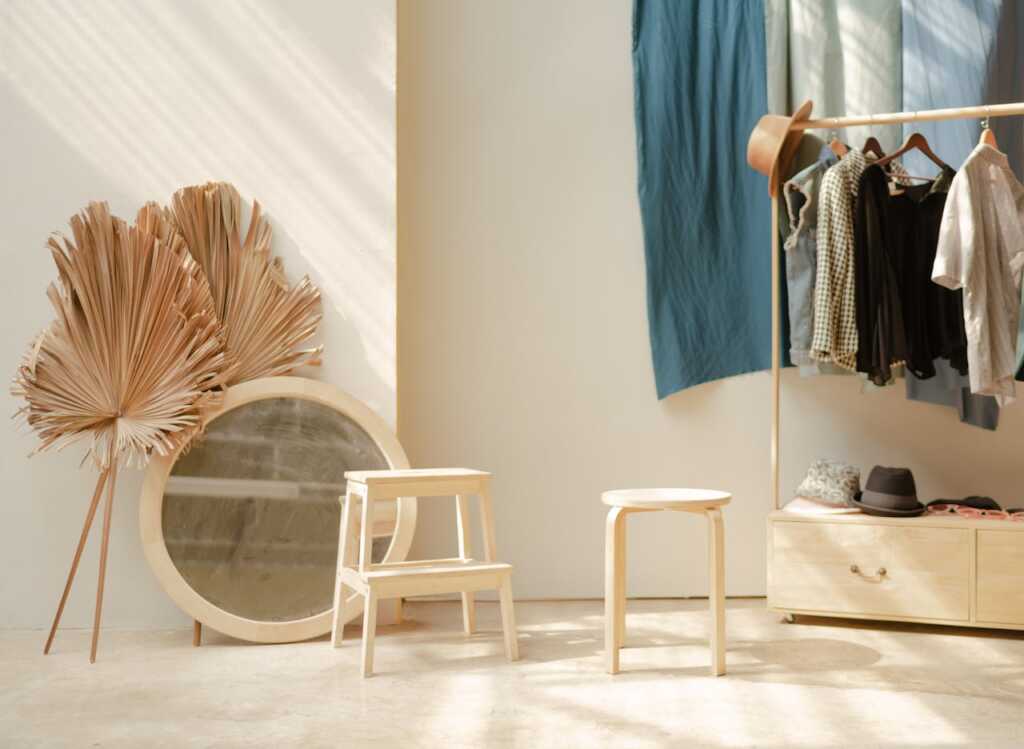
- Natural materials tend to feel calmer than synthetic ones. Wooden furniture, cotton bedding, and simple textures help the room feel less stimulating. Plastic-heavy rooms often feel colder and harder to fully relax in.
- Color matters more than people think. Soft greens, muted blues, beige, and warm neutrals usually support rest. Bright reds, oranges, and sharp contrasts tend to keep the mind active longer.
- Mirrors are another common issue. Feng shui usually advises against placing mirrors where they reflect the bed. Many people report lighter sleep or restlessness when mirrors are directly facing them at night.
If you like background sound, gentle water sounds can help mask noise and soften the atmosphere. Even a small tabletop fountain or a sound recording can make the room feel more settled.
Why Small Changes Matter
Feng shui bedroom rules work best when they respond to how you actually sleep. Pay attention to how your body feels in the space. Small changes in bed placement often make a real difference in sleep quality and how you feel in the morning. A bedroom should support rest. When the space feels settled, your body follows.


 Julianna Frisk