
 Julianna Frisk
Living with a cat changes the atmosphere of a space in a way that’s hard to explain unless you’ve experienced it yourself. A room feels different once a cat settles into it. Not louder or visibly brighter. Just altered. Many cat owners notice this instinctively, even if they’ve never thought of it in spiritual terms.
Cats have shared their lives with humans for thousands of years, and across cultures they’ve been described as protectors, guardians, healers, and beings that move between visible and invisible worlds. These ideas didn’t appear by accident. They came from observation, repetition, and lived experience.
People noticed patterns. Cats choosing certain places to rest. Cats seeking out people who weren’t feeling well. Cats reacting to spaces that felt uncomfortable long before humans sensed anything was off. Over time, these observations formed stories, symbols, and spiritual roles.
Cats in Ancient Spiritual Traditions
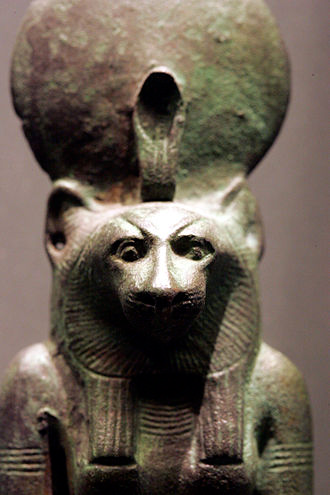
In ancient Egypt, cats were held in extraordinary regard. They were associated with Bastet, the goddess connected to protection, fertility, beauty, joy, and the home. Cats weren’t just companions. They were symbols of balance and guardianship. Harming a cat was considered a serious offense, and many were adorned with jewelry and cared for with devotion.
In India, a cat form was associated with Sashti, a goddess linked to motherhood, children, and family protection. Cats were seen as watchful presences within the household, especially around vulnerable members of the family.
In Japan, cats were brought aboard ships to protect cargo and crew. Calico cats in particular became associated with good fortune and safety, a belief that still exists today. The idea that cats guard spaces, homes, and people repeats across cultures that never interacted with each other directly.
This consistency is telling.
Cats as Energy Regulators
Many spiritual traditions describe cats as natural energy balancers. They don’t just occupy a space. They interact with it.
Cats often choose very specific places to lie down. Corners of rooms. Doorways. Spots near electronics. Places where people tend to feel restless or uneasy. In spiritual systems, these areas are often described as points where energy accumulates or becomes stagnant. A cat lying in these places is a part of how they interact with their environment.
People often notice that after a cat spends time in a particular area, the space feels lighter or more comfortable. Some believe cats absorb excess or heavy energy and process it through rest and sleep. This could explain why cats sleep so much, especially after being particularly attentive or physically close to their humans.
Physical Healing and the Cat’s Presence
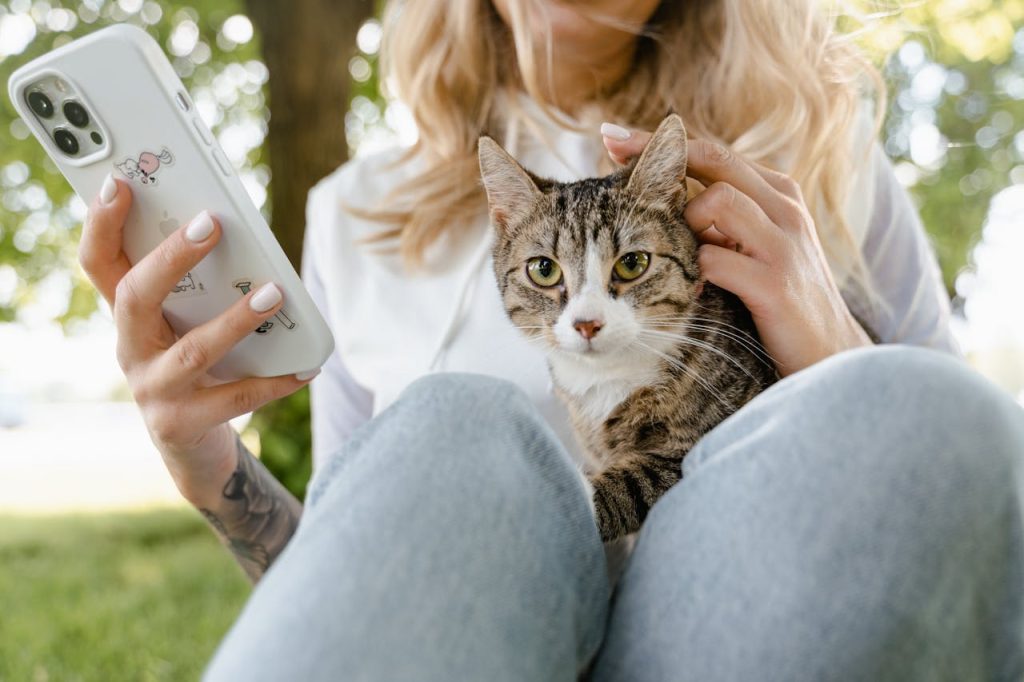
One of the most commonly shared experiences among cat owners is a cat choosing to lie on a specific part of the body. The lap. The chest. The stomach. The feet. Sometimes exactly where discomfort is present.
This behavior has been observed repeatedly. Cats appear drawn to areas where tension, pain, or imbalance exists. Their body heat, weight, and rhythmic purring create physical sensations that many people find soothing.
Purring itself is especially interesting. Studies have shown that the frequency of a cat’s purr falls within a range associated with tissue regeneration and bone healing. While this doesn’t replace medical care, it helps explain why being near a purring cat can feel restorative on a physical level.
Many people with headaches, muscle tension, cold extremities, or emotional stress report feeling relief when their cat rests near them. Whether viewed through a spiritual lens or a physical one, the effect is widely reported.
Emotional and Psychological Support
Cats are highly perceptive. They read body language, tone, and emotional shifts with precision. Many people notice their cat becoming more attentive during periods of grief, anxiety, or emotional strain.
Unlike humans, cats don’t attempt to fix or explain. They stay present. That presence alone can be grounding.
For people living alone, cats often become anchors. Their routines, their physical warmth, and their responsiveness create a sense of stability. This emotional regulation is a large part of why cats are often described as healers, even outside spiritual frameworks.
Protection on an Energetic Level
Cats are frequently described as guardians. Not in the same way dogs guard territory, but in a more perceptual sense.
Many cat owners have observed their cat staring at empty spaces, reacting to things that aren’t immediately visible, or behaving differently in certain rooms or at certain times. Across cultures, this has been interpreted as sensitivity to energies humans can’t easily perceive.
Purring is often associated with protection as well. Some traditions describe it as creating a stabilizing field that helps neutralize unwanted influences within a space. Whether taken symbolically or experientially, many people feel safer and calmer when their cat is nearby.
Cats as Predictors and Sensors
Cats are extremely sensitive to environmental changes. Shifts in air pressure, sound frequencies, and vibrations often register with them long before humans notice anything unusual.
Throughout history, people living in areas prone to natural disasters have observed unusual behavior in cats before events like earthquakes or volcanic activity. While science hasn’t fully explained this sensitivity, the pattern has been noted repeatedly in personal accounts.
Even on a smaller scale, cats often sense emotional tension before it becomes obvious. They may leave a room, become restless, or position themselves close to someone who feels unsettled.
Why Cats Gravitate Toward Certain People
Some cats seem especially drawn to people going through difficult periods. They respond to shifts in emotional and physical states.
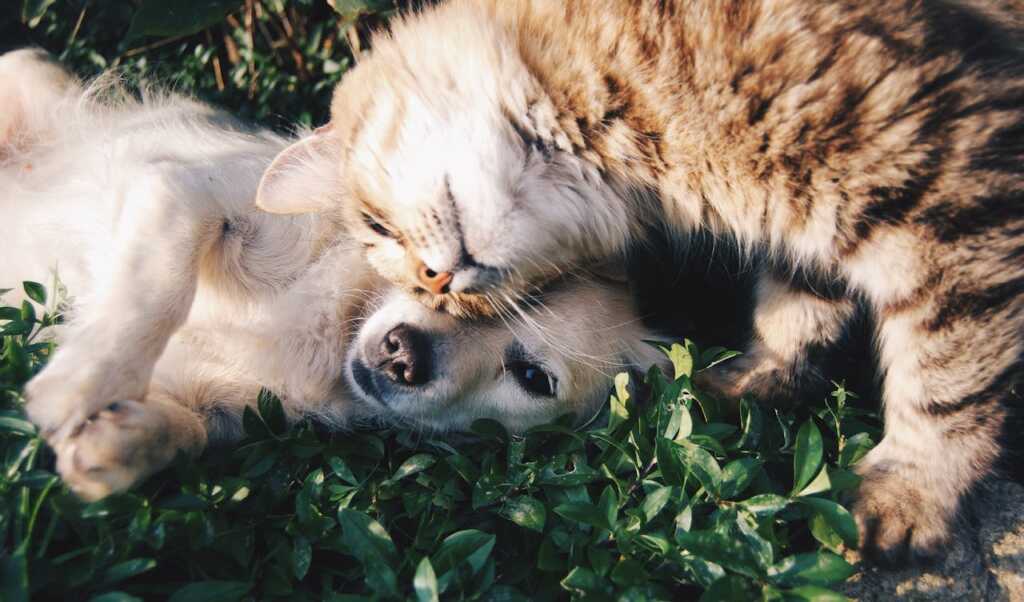
People experiencing stress, illness, or exhaustion often emit different cues through posture, temperature, and behavior. Cats notice these details. Their response is often to stay close, lie near, or maintain contact. This isn’t about ownership or dependency. It’s responsiveness.
Living With a Cat as a Spiritual Experience
Living with a cat teaches awareness. You start noticing patterns. Where your cat rests. When they seek closeness. When they prefer distance.
Over time, many people become more attentive to their own state because of their cat’s behavior. A cat lying on your chest might prompt you to notice emotional pressure. A cat avoiding a room might make you pay attention to how that space feels.
This feedback loop works continuously and with real impact.
How Cats Shape Daily Life
Cats influence the spaces they live in through daily presence. Their effect shows up through routines, proximity, physical contact, and attention. Living with a cat means sharing space with an animal that constantly reacts to shifts in mood, health, and atmosphere, often before those shifts are fully conscious.
People notice changes over time. Rooms feel different once a cat settles there regularly. Emotional states stabilize faster. Physical discomfort often eases when a cat chooses to stay close. These effects come from repeated interaction, warmth, sound, and responsiveness, not from isolated moments.
A cat’s role becomes clearer the longer you live with one. They respond to imbalance. They gravitate toward tension, illness, or emotional strain. They stay where they’re needed and move away when their presence is no longer required.
Sharing your life with a cat means participating in that process every day. Attention sharpens. Awareness grows. The longer you observe their behavior, the easier it becomes to recognize how much influence they have without ever demanding focus or acknowledgment.


 Julianna Frisk